
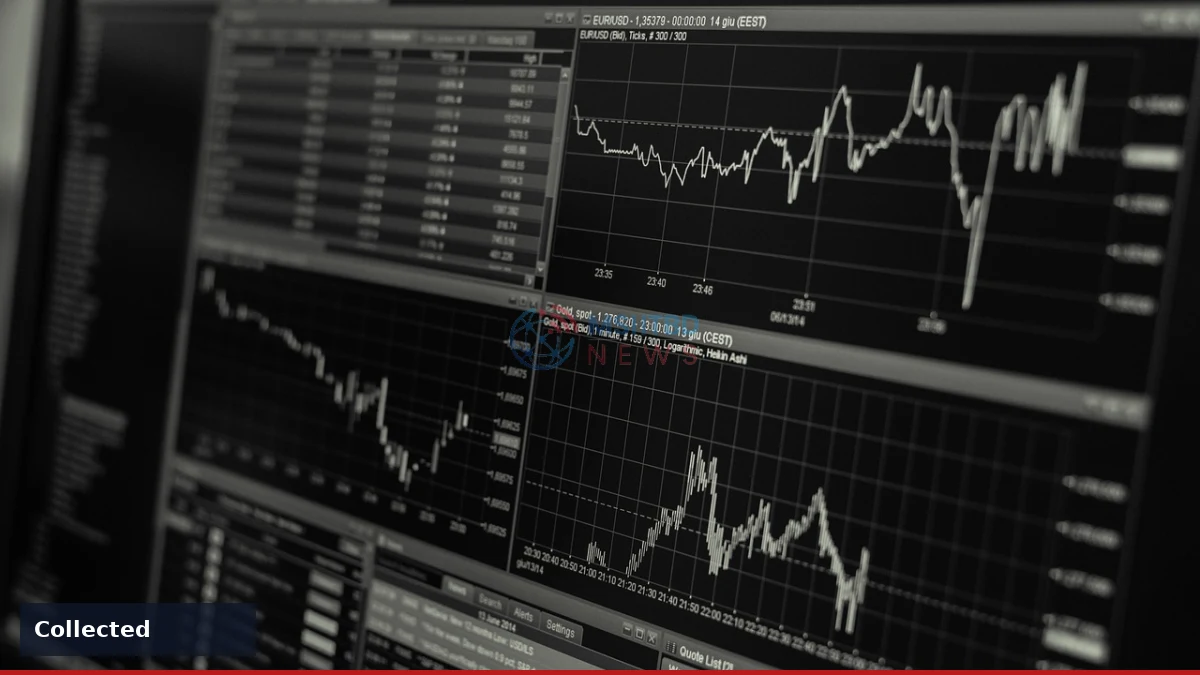
The S&P 500 is just shy of a record as 2026 draws to a close, and The Motley Fool points to a single, historically proven move that could protect investors if a crash hits.
Key points
- The S&P 500 is close to an all‑time high as of late October 2026.
- Historical data cited by The Motley Fool suggests one specific investor behavior consistently yields positive outcomes during crashes.
- Readers are encouraged to consult the full article for details on the recommended strategy.
The Motley Fool published an article on Oct 22, 2026 titled “If a Stock Market Crash Is Coming, History Says Investors Who Do This 1 Thing Always Win Out,” noting that the S&P 500 index is just below its all‑time high with roughly ten weeks remaining in the year.
According to the piece, past market downturns reveal a consistent pattern: investors who adopt a particular behavior tend to come out ahead when a crash materialises.
S&P 500 Approaches All‑Time High
The article emphasizes that this historically successful habit has helped investors preserve capital and even profit during periods of heightened volatility, suggesting that the same approach could be relevant if the market turns lower later this year.
While the excerpt does not detail the specific action, the author, Daniel Sparks, urges readers to examine the full analysis for guidance on how to implement the strategy in their own portfolios.
Historical Insight: One Action That Helps Investors
The broader context is a market that has shown strong momentum, yet analysts remain cautious about potential corrections. The Motley Fool’s commentary frames its advice as a precautionary measure rooted in historical evidence.
Reader questions
What does the article say about the current state of the S&P 500?
It states the index is just shy of a record high with about ten weeks left in the calendar year.
What historical insight does the article provide for investors?
It claims that history shows investors who follow a particular action tend to win out when a market crash occurs, though the excerpt does not specify the action.
Source: fool.com