
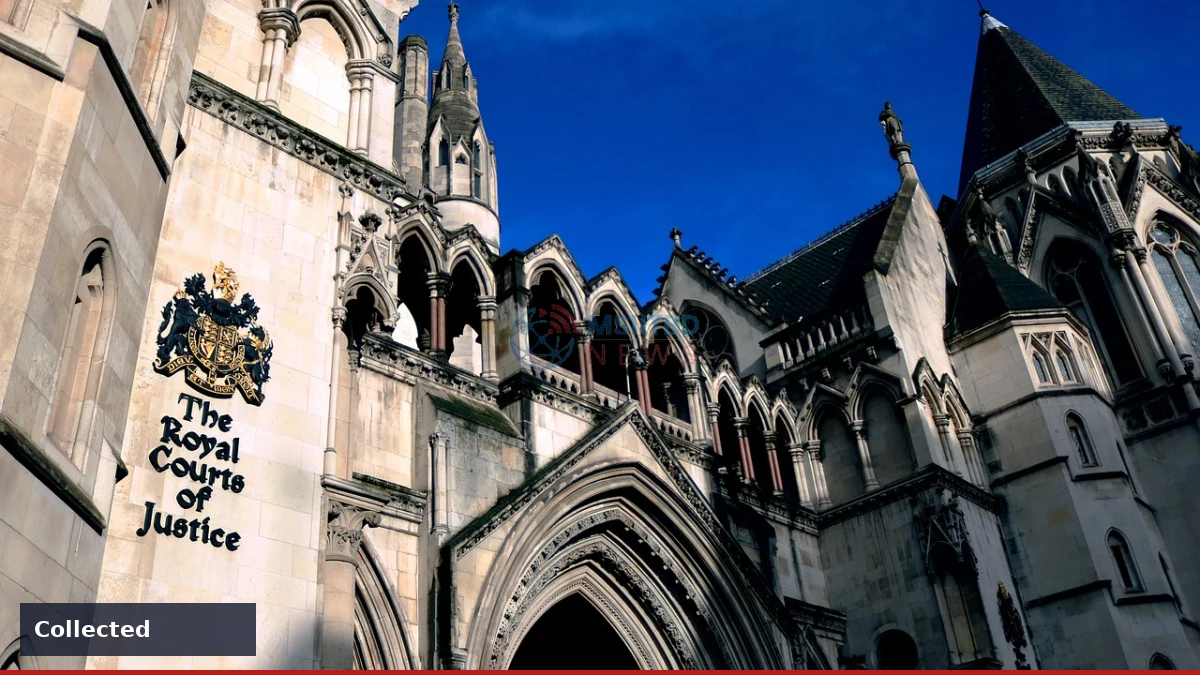
The High Court weighed the Guardian and ITN’s claimed duty to inform the public against an anonymous man’s fear that publishing the allegations could drive him to suicide.
Key points
- The court is weighing the media’s asserted public‑interest duty against the claimant’s risk of self‑harm.
- The Guardian and ITN claim to have credible evidence of widespread sexual misconduct involving the claimant.
- PPT relies on Articles 2, 3 and 8 of the ECHR, while the media invoke Article 10’s freedom of expression as a counterbalancing right.
- A judicial decision will set a precedent for how similar injunctions are handled in the UK.
On Wednesday, the UK High Court heard arguments from an anonymous claimant, identified in court documents only as PPT, who is seeking a permanent injunction to stop the Guardian and ITN from publishing sexual misconduct allegations he denies.
Representing the media organisations, lead barrister Gavin Millar KC told the court that the outlets have “not just the responsibility, but the duty to publish information we believe to be in the public interest,” emphasizing the importance of airing the women’s accounts to protect other potential victims.
Legal battle over publication
PPT’s legal team argued that publication would likely trigger another suicide attempt, citing his two prior attempts and invoking Articles 2, 3 and 8 of the European Convention on Human Rights, which protect the right to life, prohibit inhuman treatment, and safeguard private life.
The Guardian and ITN countered that the European Court of Human Rights has never applied those articles to block publication in similar cases and that Article 10, guaranteeing freedom of expression, provides a “countervailing” right. Their written submission claims they possess credible evidence of serious, prolonged misconduct affecting a large number of women, many of whom have suffered mental‑health crises.
Media’s duty versus claimant’s health concerns
Millar noted that the investigation interviewed over 100 people, including 30 first‑hand witnesses, and that delaying publication would not prevent the women from eventually making their stories public. He also highlighted that the media outlets have taken “unusual measures” to accommodate PPT’s medical condition, including extending deadlines and agreeing to postpone publication while the injunction is considered.
The hearing concluded with Mr Justice Nicklin retiring to deliver a ruling. The outcome will test how UK courts balance press freedom with individual health risks in high‑profile defamation and privacy disputes.
Reader questions
What injunction is PPT seeking?
PPT is asking the High Court to issue a permanent injunction that would prevent the Guardian and ITN from publishing the sexual misconduct allegations against him.
Which human‑rights articles does PPT cite?
His legal team references Articles 2 (right to life), 3 (prohibition of inhuman or degrading treatment) and 8 (right to private and family life) of the European Convention on Human Rights.
What does the media say about the evidence they hold?
The Guardian and ITN state they have credible evidence of serious improper conduct toward a large number of women over a prolonged period, based on interviews with more than 100 people, including 30 direct accounts.
Source: theguardian.com