
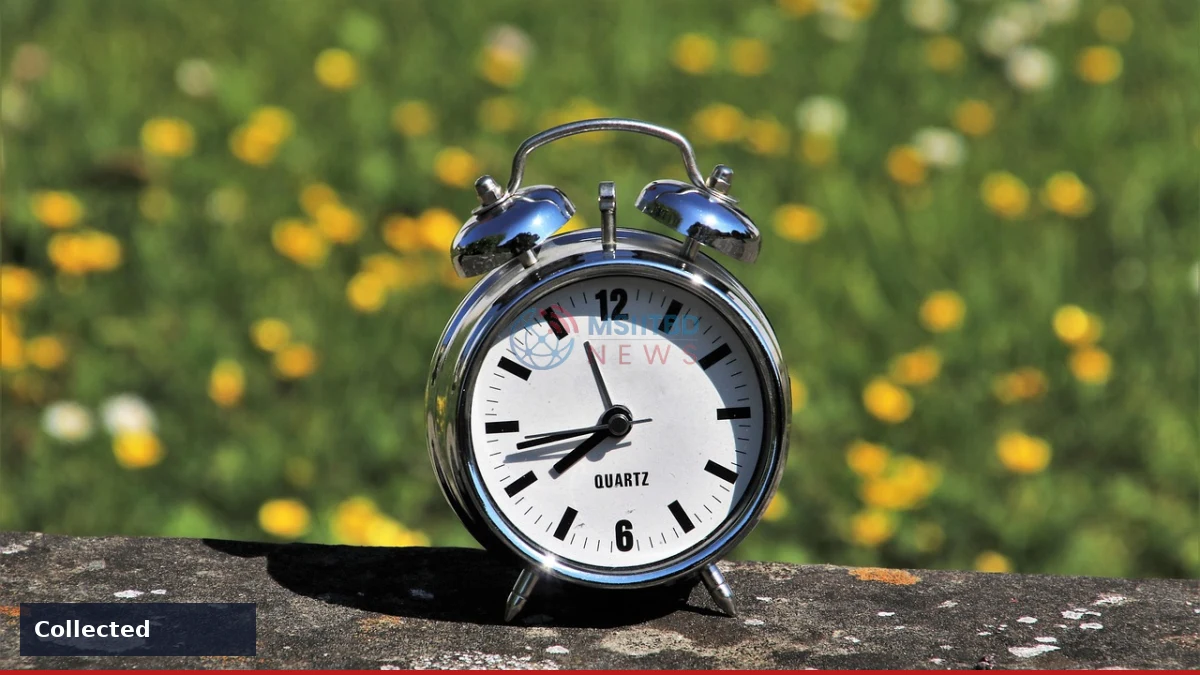
The clock may turn back this weekend, but your body’s internal timer won’t—making a smooth transition takes more than just an extra hour of sleep.
Key points
- Shift bedtime, meals, and wake‑up times in 15‑minute steps before the clock change.
- Limit alcohol and avoid caffeine after early afternoon to prevent fragmented sleep.
- Prioritize outdoor light exposure—late‑day light after the shift and morning light daily—to reset the circadian rhythm.
- Keep a regular wind‑down routine, reduce screen exposure before bed, and stick to a consistent wake‑up time even on weekends.
When clocks fall back at the end of daylight saving time, many people report difficulty falling asleep or staying asleep, and prolonged sleep loss can affect overall health. Dr. John La Puma, a California physician specializing in nature‑based medicine, notes that while some studies suggest a modest cardiovascular benefit from the fall shift, the sudden loss of evening sunlight can suppress serotonin and melatonin, potentially lowering mood.
La Puma advises making the transition in 15‑minute increments. For example, if you normally go to bed at 10 p.m., shift to 10:15 p.m. on Friday and 10:30 p.m. on Saturday before the clocks change, applying the same gradual adjustments to meals and wake‑up times as your schedule permits.
Small schedule shifts
Sleep medicine doctor Saema Tahir cautions against using the “extra hour” to stay up late or to drink alcohol. She recommends moderating alcohol intake, finishing drinks a few hours before bedtime, and avoiding caffeine after early afternoon, because caffeine’s long half‑life and alcohol’s disruptive second‑half‑night effects can leave you more fatigued on Sunday.
Both physicians stress intentional outdoor exposure. La Puma suggests getting outside later in the afternoon after the time change, as late‑day light signals the body that the day is extending, helping shift the internal clock later. Tahir adds that once adjusted, exposure to natural light within an hour of waking each day supports mood and alertness, while morning light helps stabilize the clock during darker months.
Limit late‑night drinking and caffeine
A calming pre‑sleep routine can reinforce a consistent schedule. La Puma recommends activities such as reading a paper workbook, sipping chamomile tea, taking a warm bath, or using aromatherapy—any cue that signals to the brain it’s time to wind down. He also warns that screen light, even with night‑mode settings, can suppress melatonin, so he advises turning off screens at least an hour before bed.
Finally, maintaining the same wake‑up time every day, including weekends, appears to have long‑term health benefits. La Puma cites an eight‑year study of roughly 60,000 participants that linked consistent sleep‑wake times to a 19 % lower risk of death, noting impacts on heart attack, stroke, and cardiovascular mortality. The National Institutes of Health advises anyone with persistent sleep difficulties to consult a healthcare provider.
Reader questions
Why does the end of daylight saving time disrupt sleep?
The body’s internal clock stays on the pre‑change schedule, so you wake up an hour earlier than your body expects, leading to early sleepiness, hunger, and reduced evening daylight that can lower serotonin and melatonin.
How much caffeine is safe after the time change?
Both doctors recommend avoiding caffeine after early afternoon; limiting intake to the morning hours helps prevent its lingering stimulant effect that can interfere with sleep.
Should I keep the new sleep schedule on weekends?
Yes. Maintaining the same wake‑up time every day, including weekends, supports a stable circadian rhythm and is linked to lower long‑term health risks.
Source: foxnews.com