
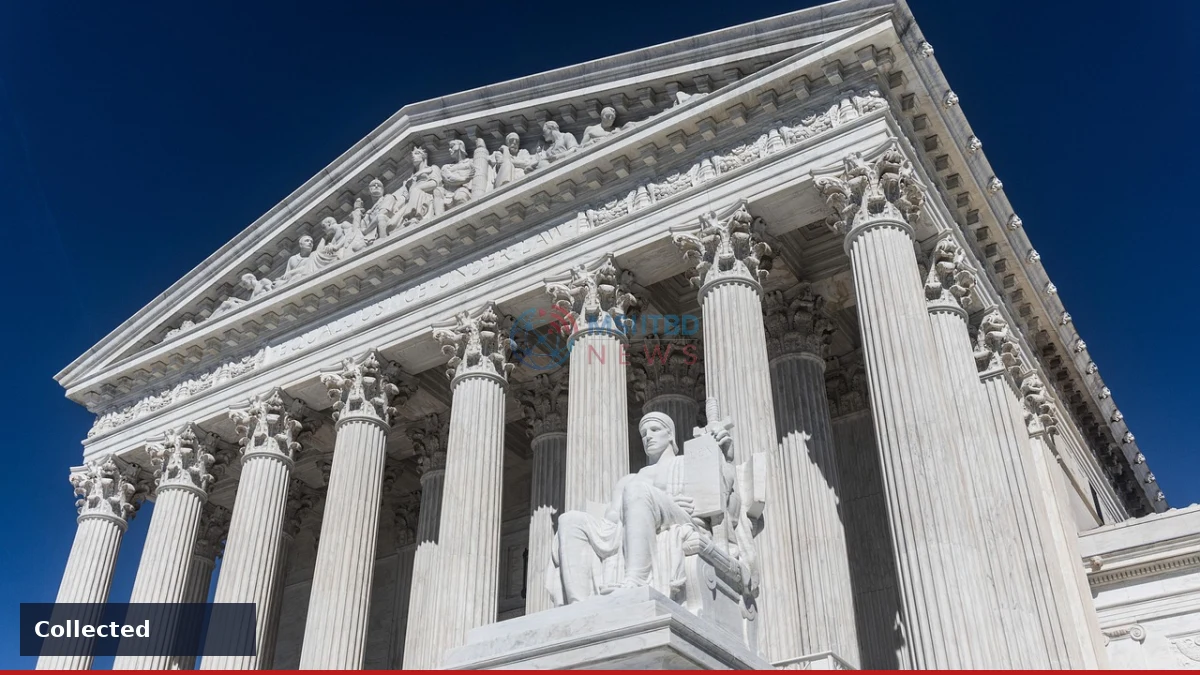
In a swift, unsigned decision, the nation’s highest court rejected the Justice Department’s effort to pull tens of thousands of votes from California’s 2026 midterm ballot.
Key points
- The Supreme Court’s unsigned order leaves the DOJ’s emergency request unaddressed, effectively preserving California’s existing ballot‑counting procedures.
- State officials have repeatedly challenged the DOJ’s list, pointing to a lack of transparency about the methodology used to identify alleged non‑citizen voters.
- Legal experts note that actual instances of non‑citizen voting are statistically negligible, and the administration’s broader strategy appears aimed at influencing public perception of election integrity.
On Monday, the U.S. Supreme Court ruled against the Trump administration’s attempt to compel California election officials to isolate and withhold about 20,000 ballots that the Justice Department alleges belong to non‑citizens, ending a series of emergency filings that had threatened to disrupt the state’s midterm voting process.
The Justice Department had delivered a USB drive in mid‑October containing the names of the purported non‑citizen voters, giving state officials only 48 hours to act and warning of legal action if the ballots were not set aside pending citizenship verification. California officials, backed by voting‑rights groups, refused, citing a lack of evidence about how the list was compiled.
Court denies emergency request
State leaders praised the ruling. Governor Gavin Newsom called the decision a “firm slap down” of what he described as a baseless attack, while Attorney General Rob Bonta said the ruling should end the administration’s attempts to disrupt California’s elections, though he warned that the fight was not over.
Lower courts had already blocked the DOJ’s request. U.S. District Judge David Carter, appointed by President Bill Clinton, described the administration’s move as “unusual and extreme,” noting that no prior federal government had tried to coerce a state to abandon its constitutional election procedures on the eve of an election. The Ninth Circuit Court of Appeals also rejected the request over the preceding weekend.
DOJ’s list and state pushback
The broader effort reflects the Trump administration’s push to expand federal oversight of elections and to revive claims of non‑citizen voter fraud, a phenomenon that data and experts say is exceedingly rare. The Justice Department has launched similar actions in Washington state and has pursued criminal charges against several green‑card holders in California, while also touting a $1 million reward for tips leading to voter‑fraud arrests.
Reader questions
Why did the Justice Department want California to set aside certain ballots?
The DOJ claimed that about 20,000 voters on its list were non‑citizens and argued that the ballots should be segregated and not counted until citizenship could be verified.
What was the Supreme Court’s reasoning for rejecting the request?
The Court issued an unsigned emergency order without a written opinion, which is customary in such fast‑track cases; it simply denied the DOJ’s request, leaving lower‑court rulings in place.
Will the DOJ pursue similar actions in other states?
The department has already made a comparable demand in Washington state and continues to investigate alleged non‑citizen voting in California, suggesting the strategy may be applied elsewhere.
Source: theguardian.com