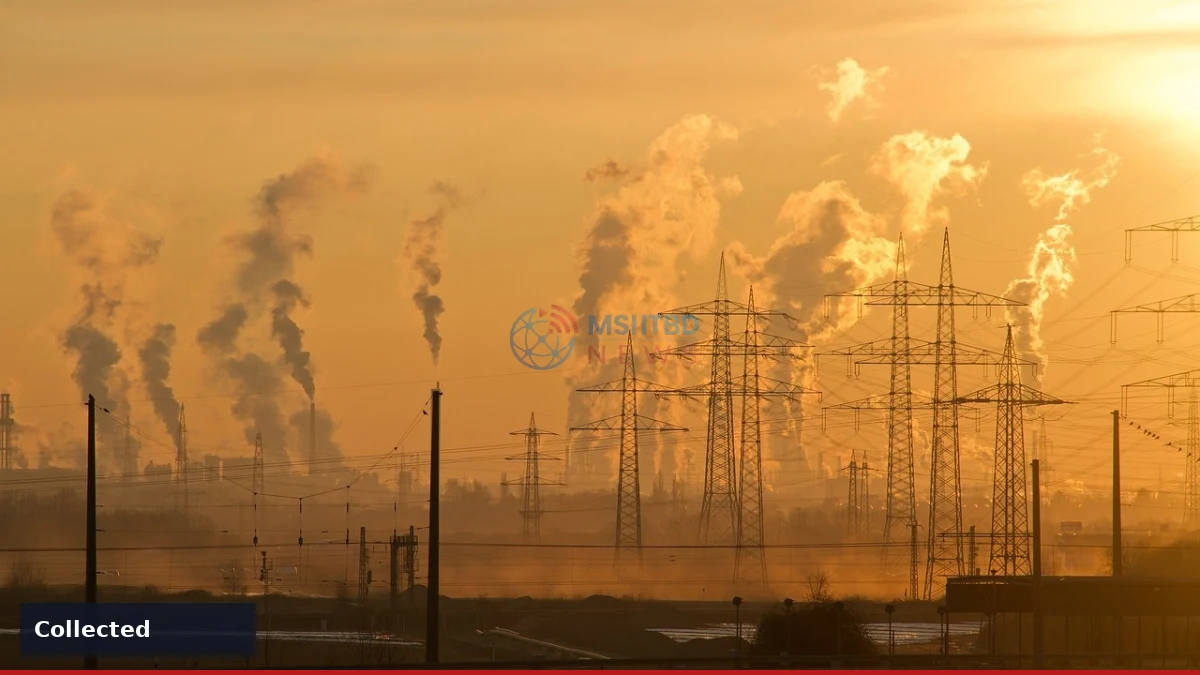

A thick haze settled over India’s capital the day after Diwali, turning celebration into a health crisis.
Key points
- Firecracker use during Diwali, even with green‑firecracker rules, markedly worsened Delhi’s air quality.
- The AQI exceeding 350 placed the city in the WHO’s “severe” category, indicating heightened health risks.
- Winter weather patterns and major sources such as vehicles and biomass burning sustain the city’s chronic haze.
Heavy smog enveloped New Delhi on Monday, November 9, 2026, after residents lit firecrackers throughout the Diwali night, adding smoke and fine particulate matter to an already strained atmosphere.
The city’s Air Quality Index surged past 350 in several districts, a level the World Health Organization classifies as “severe” and one that poses significant health risks to the 30‑million‑strong population.
Air quality reaches severe levels
In an effort to curb the pollution spike, India’s Supreme Court earlier this month limited fireworks to approved “green firecrackers” that emit fewer pollutants, allowing their use only during three‑hour windows on Saturday and Sunday, but the restrictions do not eliminate emissions entirely.
New Delhi’s winter air quality routinely deteriorates because cooler temperatures, low wind speeds and stagnant conditions trap pollutants, while vehicles account for about 23 % of winter emissions and biomass burning, including farm‑stubble fires, contributes roughly 20 % according to the Ministry of Environment, Forest and Climate Change.
Firework restrictions and their limits
The capital consistently ranks among the world’s most polluted cities, and the latest smog episode underscores how seasonal factors combined with firecracker use can quickly push pollution to dangerous levels.
Reader questions
What Air Quality Index level was recorded in Delhi after Diwali?
The AQI rose above 350 in several parts of the city, which the WHO categorises as severe.
What restrictions were placed on fireworks for Diwali?
Only approved green firecrackers were permitted, and they could be used for three‑hour windows on Saturday and Sunday.
What are the main contributors to Delhi’s winter pollution?
According to the Ministry of Environment, Forest and Climate Change, vehicles contribute about 23 % and biomass burning, including farm‑stubble fires, about 20 % of winter emissions.
Source: aljazeera.com