An international team shows that some Jomon groups survived a VEI‑7 eruption by moving to the coast and reshaping their way of life.
Key points
- Archaeological data indicate that some Jomon groups relocated to coastal areas and adopted new livelihoods after the Kikai‑Akahoya eruption.
- Population trends varied: southern Kyushu showed pre‑eruption decline, while northern settlements expanded before and after the event.
- Marine ecosystems recovered faster than terrestrial ones, facilitating a shift toward coastal resource use.
- Long‑lasting ash layers rendered parts of the disaster zone uninhabitable, highlighting the eruption’s prolonged environmental impact.
Researchers publishing in *Science Advances* report that prehistoric communities in Japan adjusted to the catastrophic Kikai‑Akahoya eruption, which struck around 5250 BCE near the southwestern coast. The findings were highlighted by ScienceAlert and summarized by UA.News on 3 November 2026.
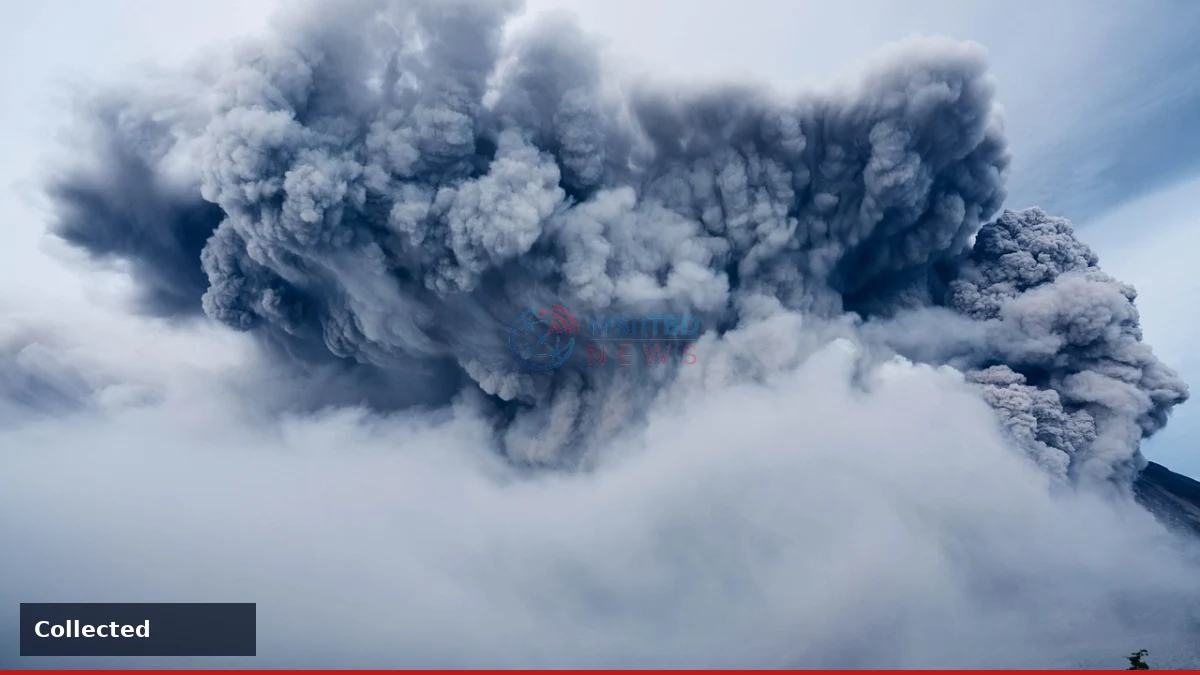
The eruption, dated to roughly 7,300 years ago, ranked seven on the eight‑point Volcanic Explosivity Index. It was accompanied by powerful earthquakes, major tsunamis and meter‑thick ash deposits that blanketed the surrounding landscape, creating a severe short‑term crisis for Jomon hunter‑gatherers.
Eruption’s Scale and Immediate Impact
To trace human responses, the team examined 540 archaeological samples—charcoal, bone and other radiocarbon‑dated material—from sites dated between 8,000 and 6,500 years ago. By comparing the frequency of finds before and after the eruption, they inferred changes in settlement activity across different regions.
The analysis revealed divergent regional trends. In southern Kyushu, closest to the eruption, hunter‑gatherer populations appear to have been declining even before the disaster. Conversely, in northern parts of the island, the number and size of settlements grew before the eruption and continued to expand afterward, suggesting that displaced groups may have moved northward or to the coast. The authors note that marine life rebounded quickly, implying that survivors who remained inland likely shifted to coastal resources.
Archaeological Evidence of Population Shifts
In more distant zones such as the Ise Bay area, settlement growth halted and, in some cases, reversed. The study proposes that short‑term cooling, broader climatic shifts, or loss of key food sources could explain these declines. Overall, the research underscores how prehistoric societies could reorganize their subsistence strategies in the wake of a major volcanic event.
Reader questions
What was the magnitude of the Kikai‑Akahoya eruption?
The eruption is estimated at level 7 on the Volcanic Explosivity Index, producing widespread ash, strong earthquakes and tsunamis.
How did researchers determine changes in prehistoric populations?
They analyzed 540 radiocarbon‑dated archaeological samples from 8,000‑6,500 years ago, tracking the frequency of charcoal and bone finds before and after the eruption to infer settlement activity.
What does the study suggest about the resilience of Jomon societies?
The evidence points to adaptive strategies such as coastal resettlement and new subsistence practices, indicating a capacity to survive and reorganize after a major environmental shock.
Source: ua.news